Microsoft pulled the cover off Maia 300 on Monday, the third generation of its homegrown AI accelerator, and put an eye-catching number behind it: the company plans to deploy potentially more than a million of the chips starting next year.
Chief executive Satya Nadella called the programme Microsoft's biggest bet yet on its own silicon. The company says the Maia family is intended to become the primary inference system behind its own products and services — the machinery that answers Copilot prompts, powers GitHub Copilot and Teams features, and serves AI models through Azure.
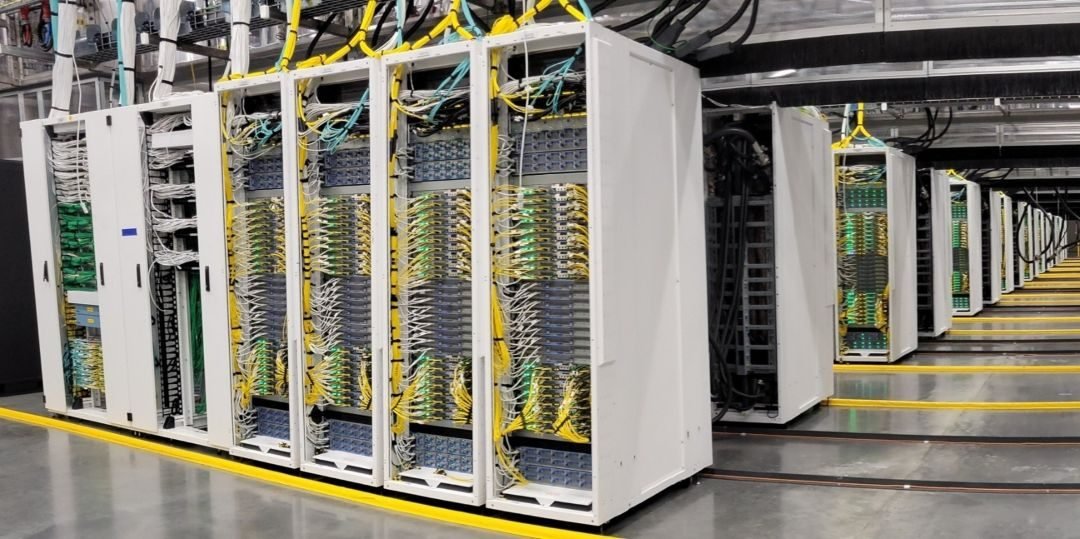
Microsoft claims Maia 300 delivers about 40 percent more tokens per megawatt than leading GPU-based systems, with a full 96-accelerator rack rated at roughly 167 kilowatts and 288 gigabytes of high-bandwidth memory per chip. Those are the company's own figures, not independently verified, but they underline the design targets: long-context reasoning, low-latency chat and sustained multi-step agentic workloads.
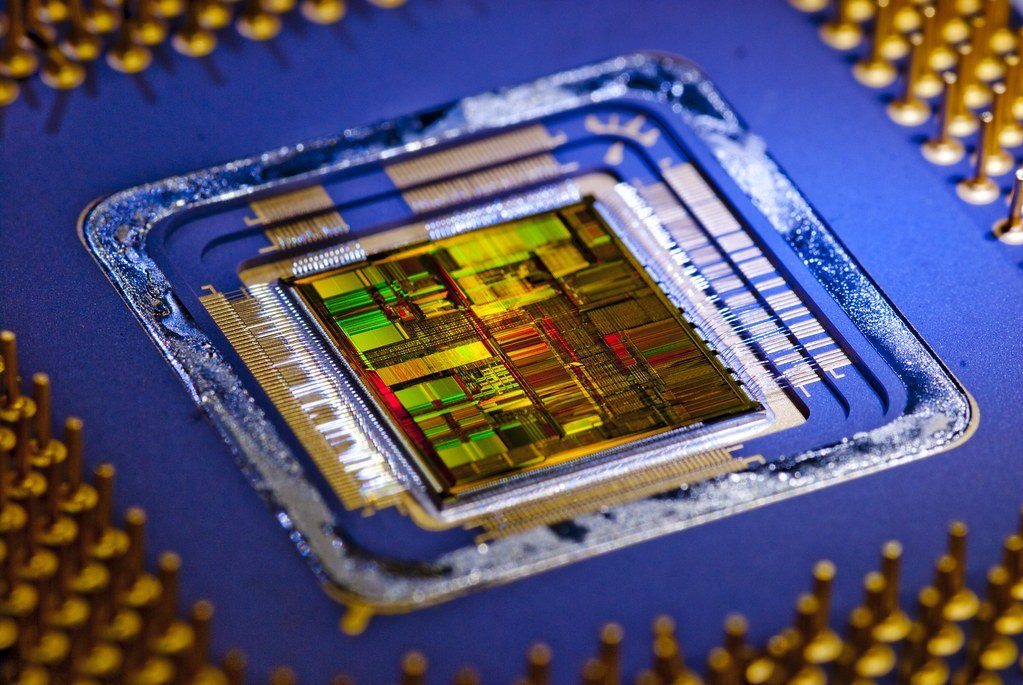
The chip uses a chiplet design, with its core compute built on TSMC's 2-nanometre process and supporting functions on cheaper 3-nanometre silicon — a cost strategy that matters when a company is buying processors by the million.
Maia 300's production rollout begins in 2027, and Microsoft plans to scale the family to multi-gigawatt deployments from there. In the meantime, like every other cloud giant racing to build custom silicon, it remains a major buyer of Nvidia and AMD hardware.