The fight over America's Russia sanctions has moved into the open. President Donald Trump defended his executive order waiving most of the broad new sanctions and tariffs mandated by the Graham Act — the bipartisan Russia sanctions law he signed last month — saying he is negotiating peace and does not want to drive Moscow from the bargaining table.
Treasury Secretary Scott Bessent insisted Sunday that no sanctions have been lifted beyond a diesel embargo carve-out: a Treasury licence through April allows the sale and import of Russian diesel, with Russia set to supply more than 300,000 metric tonnes. U.S. diesel averaged a record $5.88 a gallon in September, and the temporary waiver lands just ahead of the November 3 midterms.
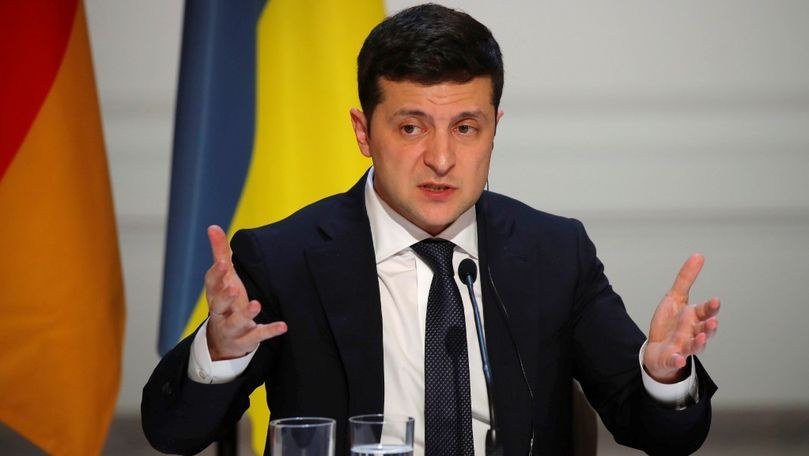
Kyiv's response was blunt. President Volodymyr Zelenskyy said on U.S. television Sunday that waiving sanctions will hurt Ukraine, posted that gifts to Putin will not bring peace, and confirmed talks with U.S. envoys Steve Witkoff and Jared Kushner on next steps and Patriot air-defence deliveries.
The backlash in Washington is bipartisan. Republican Representative Don Bacon said moves helping the Kremlin will go down as a very embarrassing chapter in U.S. history, and Senators McConnell, Tillis, Collins and Cornyn had earlier urged Trump to rescind the diesel arrangement. The European Union, meanwhile, says it is preparing a 22nd Russia sanctions package.
Secretary of State Marco Rubio, travelling in Uzbekistan, denied Washington has paused intelligence sharing with Ukraine — even as both sides struck each other's energy sites while the sanctions dispute played out.