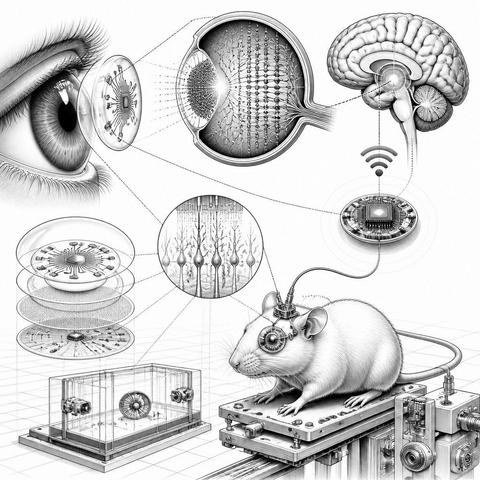
Science Corporation has implanted its vision-restoring chip in a first patient with Stargardt disease, according to TechCrunch reporting on October 15, a first-in-patient step for the company's retinal technology.
Stargardt disease is an inherited condition that damages the macula and erodes central vision, often beginning in childhood or the teenage years. There is no widely available treatment that restores sight once that damage is done, which is why implant approaches draw intense clinical and patient interest.
A first implant is a milestone, not a result: what matters next is safety over time, whether the patient gains usable vision, and whether regulators and clinics judge the benefit large enough to widen access beyond a single case.
The development sits in a fast-moving corner of health technology where brain and eye interfaces are moving from laboratory demonstrations into carefully watched early human use.