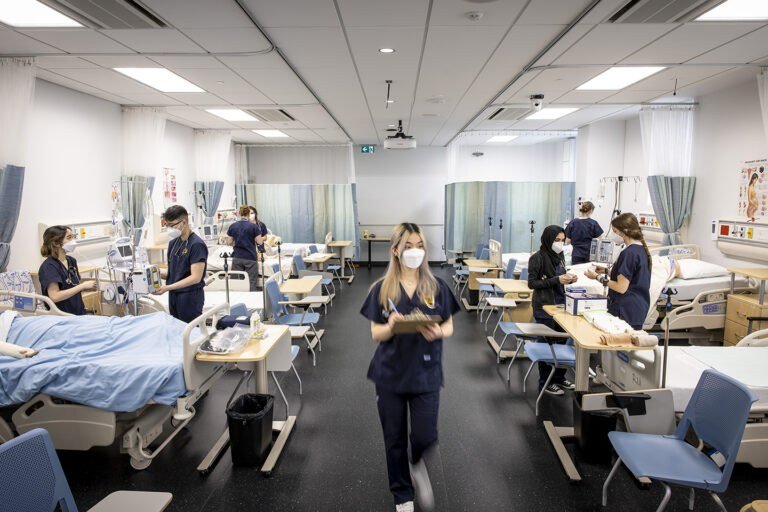
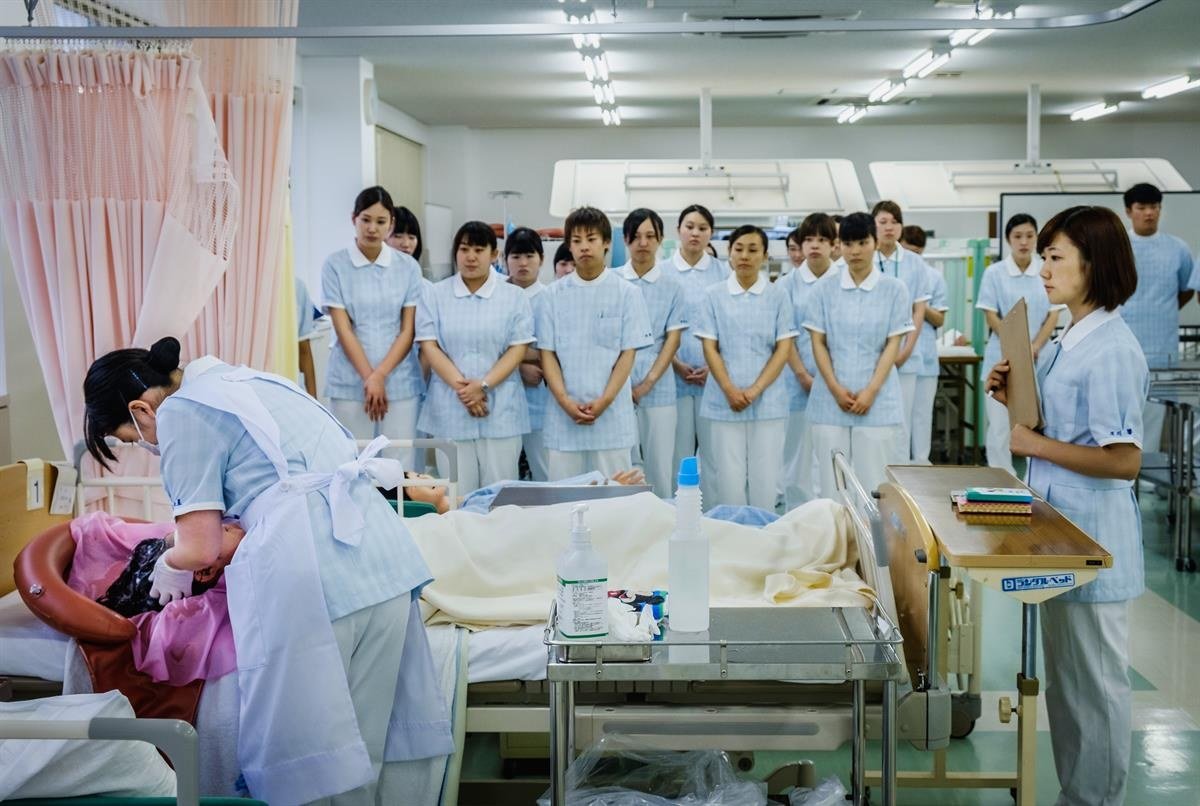
Nursing, the researchers argue, is measured by its absence. In a viewpoint published Monday in JAMA Internal Medicine, three nurse scientists led by Lori Kennedy of the Center for Nursing Science at UC Davis Health call on hospitals, payers and credentialing bodies to overhaul how nursing care is measured, saying current metrics capture only a sliver of what nurses do.
The nurse-sensitive measures that regulators rely on focus almost entirely on patient harm — hospital-acquired infections, falls, pressure injuries and restraint use. Institutions tally the cost of each central-line bloodstream infection, the authors note, but not the value of a nurse catching the signs of sepsis before a patient becomes hypotensive and needs an ICU transfer.
Their proposal builds nurse-sensitive outcome measures across nine domains of acute and critical care practice, drawing on the 2024 Blueprint for Change in Acute and Critical Care Nursing. The domains include creating safe, healing environments, building caring relationships, assessing and managing symptoms, delivering physical, therapeutic, preventive and end-of-life care, and providing surveillance.
Kennedy notes that nurses provide the majority of direct patient care in hospitals, and decades of research link nursing quality to length of stay, mortality and readmissions — yet the measures driving payment, accreditation and public accountability capture only a narrow slice of that work. Measurement drives attention, she says; the goal is to understand and measure nursing's unique contributions.
Much long-standing nursing work — surveillance, symptom management, end-of-life care — has no dedicated measure at all. The patient-experience HCAHPS survey is the closest existing proxy, the authors wrote, but it was not built for this purpose.