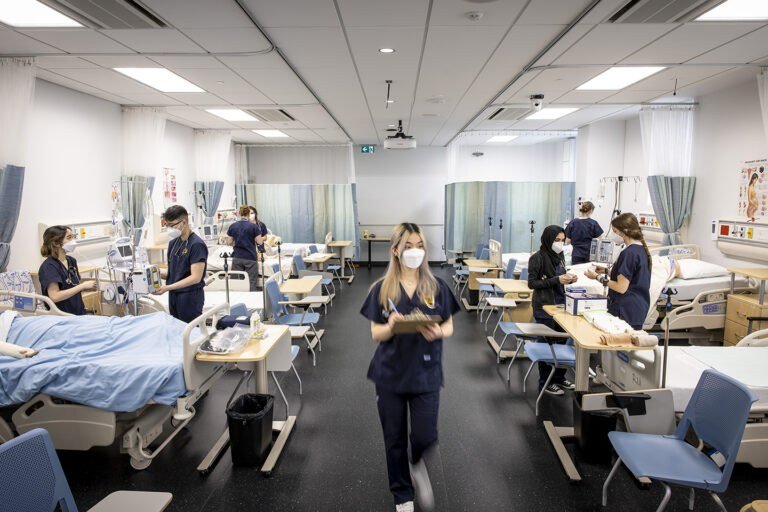

A fight over wording at a nursing conference has opened a wider argument about who gets counted when healthcare talks about bullying. At the Emergency Nurses Association's 2026 conference, members adopted a resolution on nurse bullying in a narrowed form, Nurse.org reported on October 14.
The objection from critics is about scope. Workplace mistreatment in hospitals does not only come from peers: survey findings cited in the debate describe nurses reporting harassment or bullying from managers, administrators and physicians as well as from fellow nurses. Narrowing the resolution's terminology, those critics argue, narrows whose experiences the profession's response actually covers — including new graduates dealing with people who control their schedules and evaluations.
The data problem runs underneath the whole dispute. A statistic often quoted in bullying discussions — that a large share of new nurses leave their first jobs within six months because of coworker behaviour — traces back a decade and comes from an educational resource rather than from national workforce surveillance. In its absence, the field leans on small studies, individual surveys and anecdotes.
What the association does next matters more than the wording fight: whether the adopted resolution leads to better measurement, accountability mechanisms and policy will decide if it changes anything at the bedside. For a workforce that hospitals are struggling to recruit and keep, the stakes of getting the definition right are practical, not semantic.