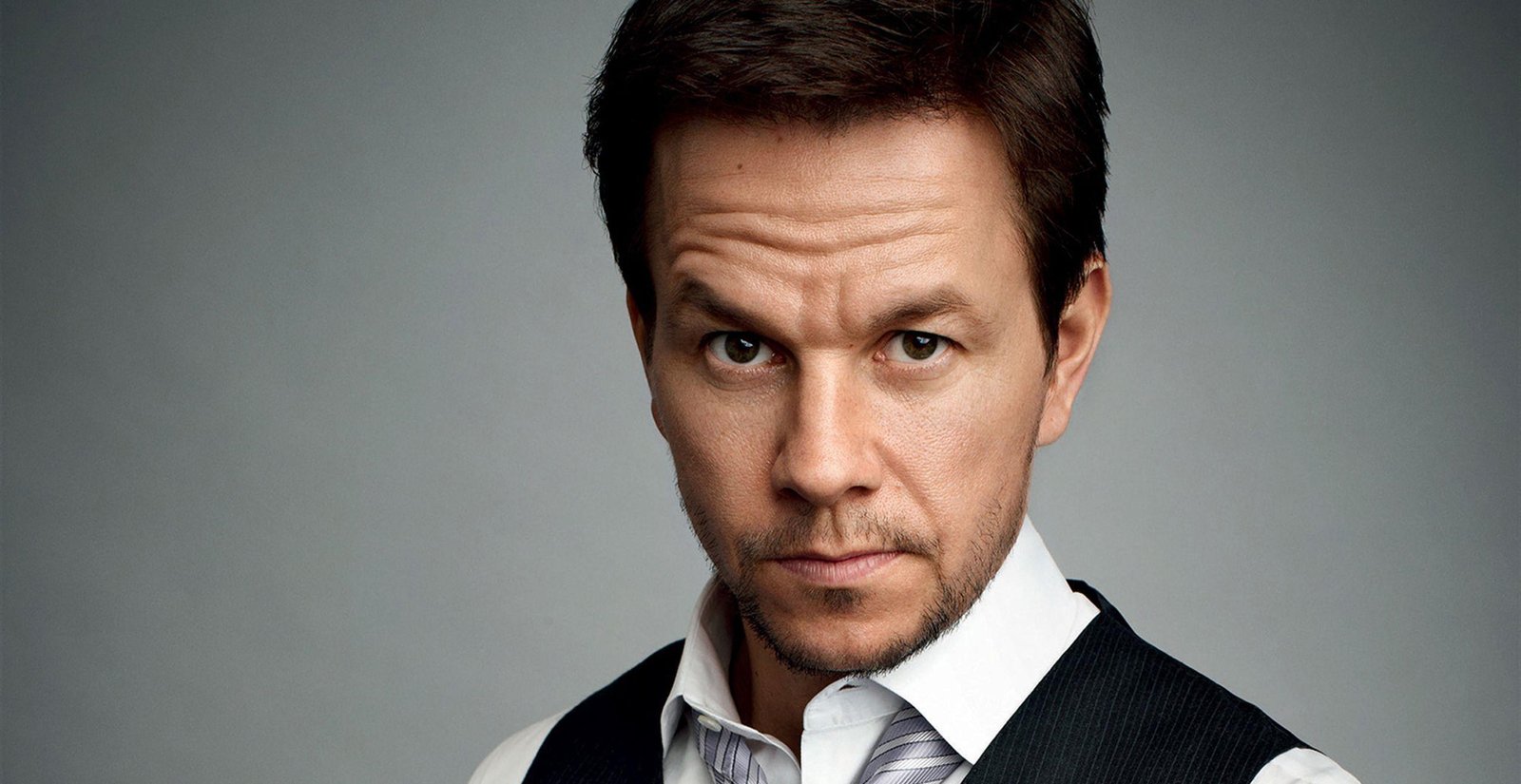
Mark Wahlberg is not running from artificial intelligence — he is negotiating with it. In TechCrunch coverage published this weekend, the actor talked about using AI in film 'the right way' and said he is open to an AI clone carrying on his legacy.
That puts Wahlberg on the pragmatic side of Hollywood's central technology argument. Performers and unions have fought over whether studios can scan actors, reuse digital likenesses and keep characters alive indefinitely, with consent and compensation as the non-negotiables.
Wahlberg's framing — openness, with conditions implied by 'the right way' — mirrors where much of the industry is landing: AI tools for production efficiency and de-ageing are increasingly routine, while a performer's digital double remains a rights negotiation, not a studio entitlement.
The legacy question is the newest front. An AI clone that could carry on an actor's work raises estate, consent and audience-trust issues that contracts written before generative AI never contemplated — and statements like Wahlberg's suggest the biggest stars intend to be at the table writing those terms, not discovering them.