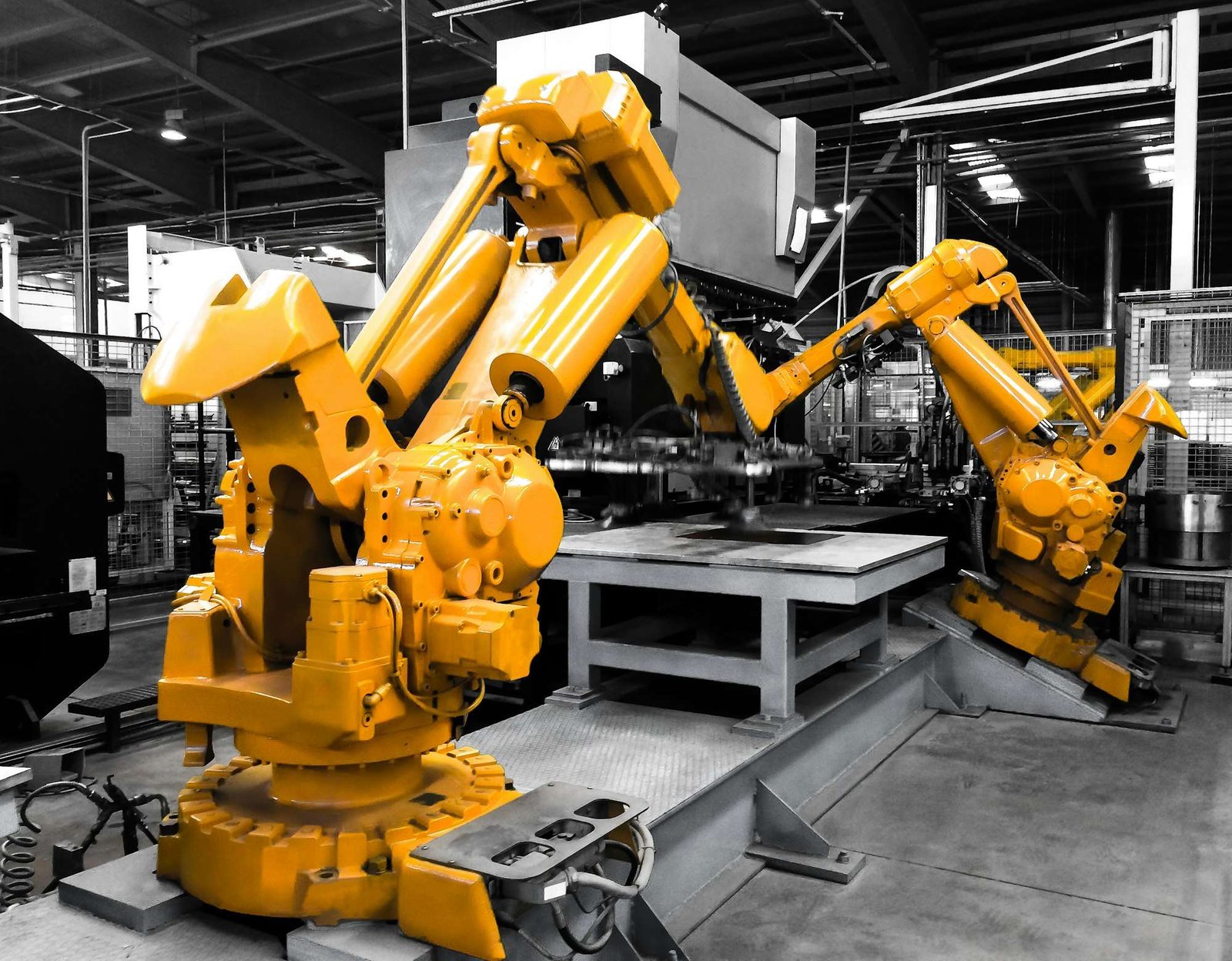
On a factory floor, changing what a robot does can take weeks of specialist programming. Industrial Next, featured by TechCrunch on Tuesday, is building artificial intelligence software intended to cut that changeover to minutes.
The pitch speaks to a persistent manufacturing problem. Production lines are re-tooled constantly for new products and short runs, and every week a robot sits idle while engineers reprogram it is a week of lost output. If AI can interpret a new task and reconfigure the machine itself, flexible automation becomes viable for smaller factories, not just car plants.
The effort is part of a wider race to bring AI out of the chat window and onto physical work: the same TechCrunch lineup this week featured robots being stress-tested in simulation before touching the real world, and vision systems moving from labs into patients.
Whether Industrial Next's approach survives contact with real production lines will decide its value. But the direction of travel is clear: the next AI contest is not only about what models can say, but about how quickly machines can learn a new job.