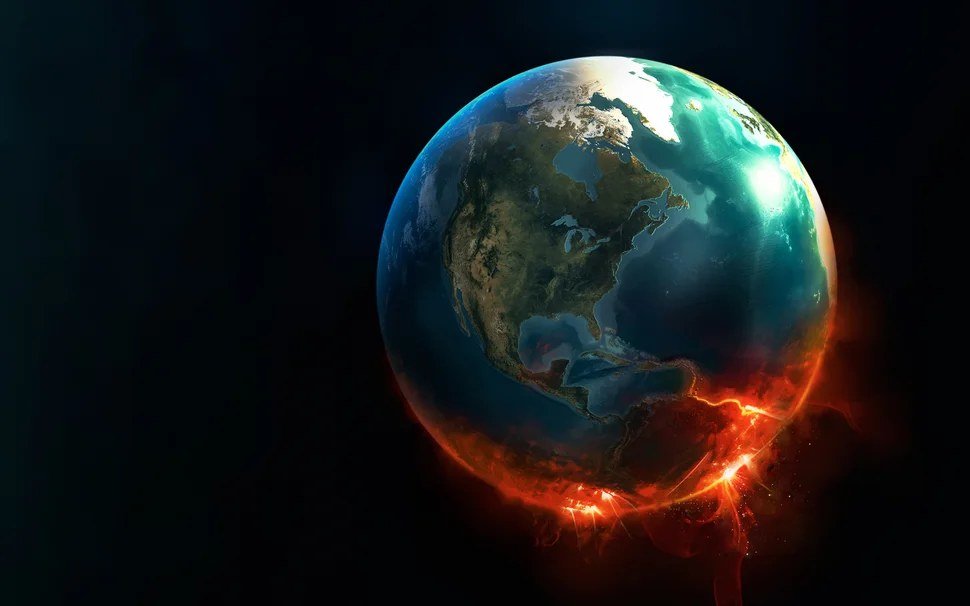
The world's climate records have been rewritten again. The World Meteorological Organization confirmed this week that 2025 was the warmest year in the instrumental record, and that the three years from 2023 to 2025 were the hottest three-year period ever measured, The Guardian reported on October 14.
The WMO's assessment draws on the major global temperature datasets. Scientists attribute the exceptional warmth to the continuing rise in greenhouse gas concentrations, amplified during part of the period by a strong El Nino, the Pacific warming pattern that pushes global temperatures higher.
The finding matters less as a single record than as a pattern: the hottest years are no longer isolated spikes separated by cooler ones. Each of the last several years has ranked at or near the top of the record, which is what climate models project when warming is driven by steadily rising emissions rather than natural variability alone.
For governments, the report is another marker on the road to the next round of climate negotiations, where the gap between pledged cuts and the trajectory implied by the temperature record remains the central argument. Expect the three-year figure — harder to dismiss as weather — to feature prominently in that debate.