The cost of goods and services rose more than expected in October, sending fresh warning signs for the Federal Reserve, CNBC reported. The consumer price index, a broad gauge of costs across the U.S. economy, increased a seasonally adjusted 0.4 per cent for the month, the Bureau of Labor Statistics reported Tuesday, against the 0.3 per cent increase economists surveyed by Dow Jones had expected. Stripping out volatile food and energy, core CPI increased 0.3 per cent, against a forecast of 0.2 per cent. Headline CPI had risen 0.6 per cent in September.
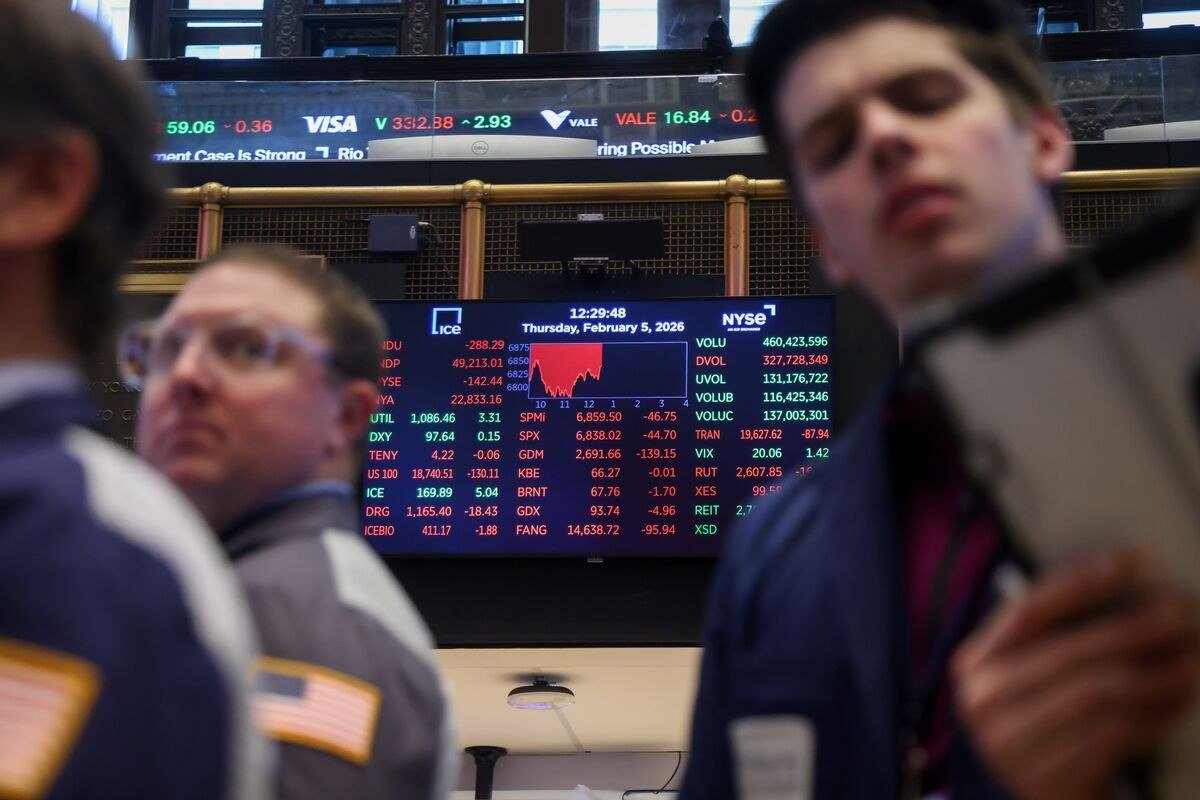
Markets reacted immediately: stocks fell while Treasury yields jumped, with S&P 500 futures down about 0.6 per cent, Nasdaq-100 futures off about 1 per cent and technology shares under pressure, Marvell Technology dropping 5 per cent and Intel and Micron shedding about 3 per cent. Traders are now fully pricing in a quarter-point increase when the Fed meets on December 8–9, and put the odds of a half-point hike at 13.6 per cent, up from around zero before the report, according to CME Group's FedWatch tool. Speaking in London ahead of the release, Fed Governor Christopher Waller said a hot report could push him toward a half-point increase, specifically if core CPI came in “around 0.3” — which is what happened.
Inside the report, shelter costs rose 0.3 per cent and accounted for more than 30 per cent of the headline increase. Food costs accelerated 0.5 per cent, the energy index rose 0.7 per cent with gasoline up 1 per cent, transportation services jumped 0.8 per cent, and electricity prices rose 0.9 per cent, while used car and truck prices fell 1.2 per cent. The bureau did not estimate a yearly rate, because last year's government shutdown prevented it from collecting sufficient data in October 2025 to build a comparable figure.
“This was the report the market could least afford to see,” said Karen Manna, fixed income investment strategist at Federated Hermes, adding that a hotter print raises questions about whether the Fed has done enough to contain price pressures. Inflation has run above the Fed's 2 per cent target for some five and a half years, and central bank officials voted 10–2 in October to hold their benchmark rate between 3.75 and 4 per cent while awaiting data. Dallas Fed President Lorie Logan, speaking after the release, said she sees a need for two additional quarter-point increases.
Sources: The MortgagePoint report, citing CNBC and the Bureau of Labor Statistics, November 10, 2026; TipRanks market report, November 10, 2026.


