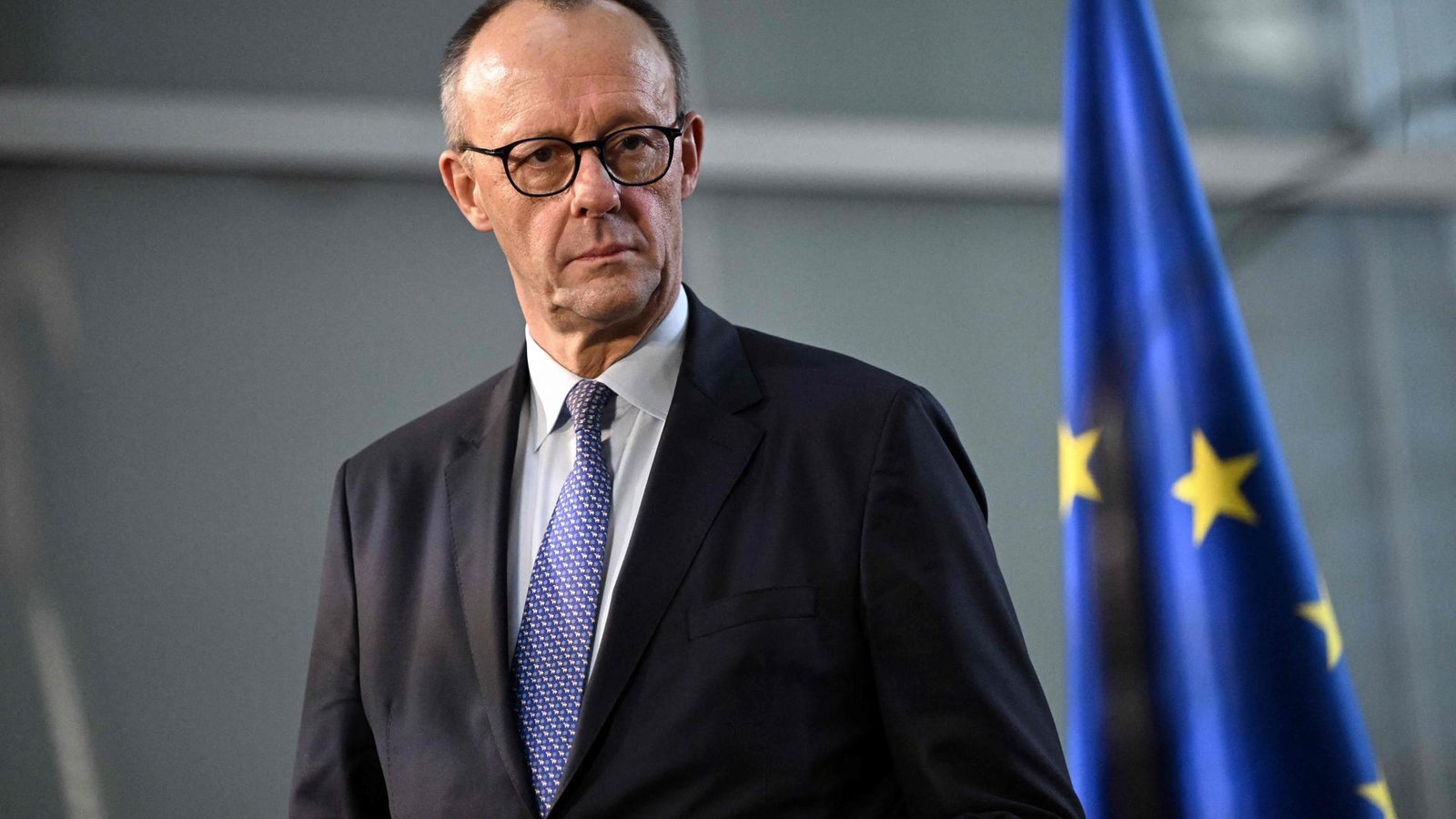
German Chancellor Friedrich Merz arrived in Kyiv by train on Sunday in an unannounced show of support, bringing Economy Minister Katherina Reiche and a business delegation — and a pledge of more than €1.3 billion in fresh aid for Ukraine as Russian strikes on the capital escalate.
The package breaks down into roughly €1 billion in military aid — including long-range strike weapons, combat drones and satellite technology — plus about €350 million in energy support: generators, substations and grid repairs to harden Ukraine's infrastructure before winter. The two countries also signed 15 agreements worth more than €8.5 billion covering security cooperation and weapons production, including joint manufacturing of interceptor drones.
The visit unfolded under attack. During Merz's time in the city, a Russian drone struck Kyiv's Northern Bridge over the Dnipro while vehicles were crossing, wounding two people. Three of Kyiv's six road bridges have been closed since Thursday, and a separate Russian aerial bomb attack on Sumy on Sunday killed one person and wounded 16. President Volodymyr Zelenskyy noted that Russia launched 900 interceptor-target drones in a single week.
Zelenskyy also said the United States has proposed a trilateral technical-level meeting by the end of October, possibly in the United Arab Emirates, as diplomatic tracks continue in parallel with the battlefield. Merz's visit — his most significant yet — signals Berlin's intent to keep Europe's largest economy at the center of Ukraine's defense effort.