
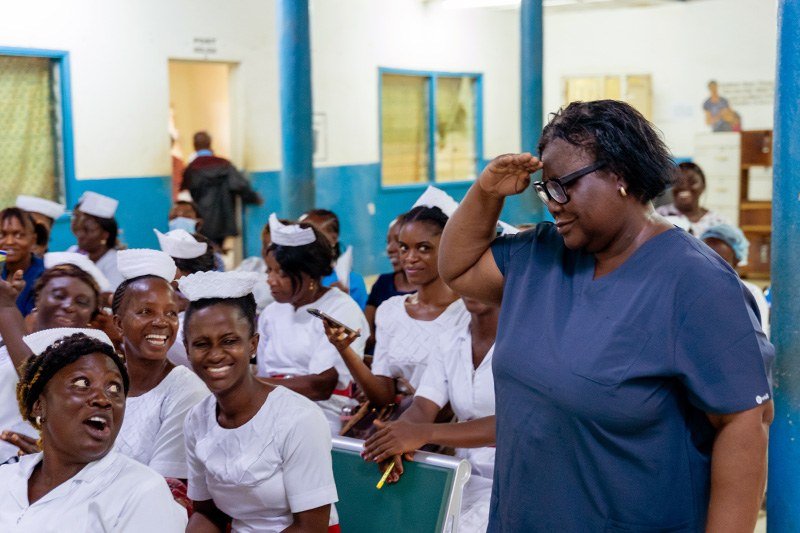
A new study of nurses and midwives across 26 hospitals in Sierra Leone has found that needlestick and other sharps injuries strike more than a third of the workforce — an occupational hazard hiding in plain sight inside the country's health system.
The cross-sectional research, published in BMC Nursing, examined the burden of percutaneous sharps injuries, how often they are reported, and the workplace factors associated with them. Under-reporting was a recurring theme: injuries that are never logged cannot trigger the post-exposure care that protects staff from hepatitis B, HIV and other blood-borne infections.
The authors' prescription is deliberately unglamorous. They call for sharps disposal containers within arm's reach at every point of care, no-recapping policies reinforced through training, reporting systems that clinicians actually trust and understand, hepatitis B vaccination for all clinical staff, and 24-hour post-exposure care services.
The stakes go beyond individual safety. Sierra Leone is still rebuilding its health workforce after Ebola and successive crises, and its nurses and midwives form the backbone of care delivery. Losing experienced staff to preventable infection — or to the fear of it — weakens the whole system.
The researchers caution against ranking individual districts, given unequal sample sizes, but the national message is blunt: the injuries are common, the prevention tools are well known, and the gap lies in consistent implementation.