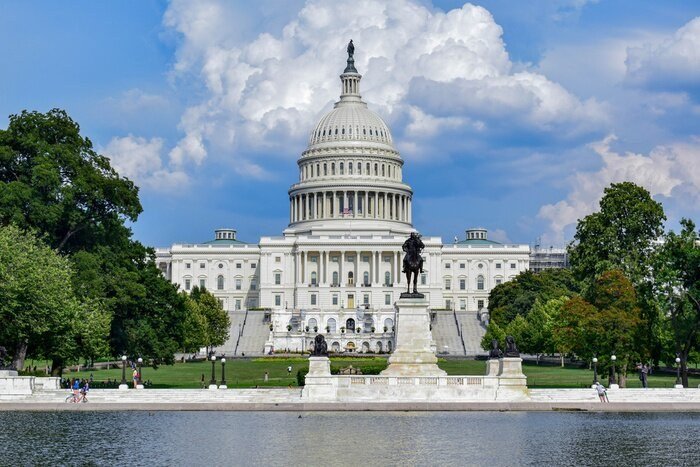
WASHINGTON — Three weeks in, the shutdown has become the story that repeats itself daily, with one number changing: 21 days. The U.S. federal government shutdown entered its third week on Tuesday, October 20, with no negotiated end in sight, according to live coverage of the impasse.
Senate Majority Leader John Thune moved to isolate the pain points, scheduling a Thursday vote on Senator Ron Johnson's Shutdown Fairness Act — a bill to pay air traffic controllers and other essential federal employees who are currently working without pay. Controllers, the workforce whose shortages helped end a previous shutdown when flights began backing up, are the pressure gauge both parties are watching.
The arithmetic of endurance is grim. The longest shutdown in U.S. history ran 35 days; lawmakers in both parties now concede that mark is within reach, as neither side has found an exit that the other will walk through, and the House and Senate remain dug in over the spending and health-care demands that started the fight.
Shutdowns end when the cost of continuing exceeds the cost of conceding. Thursday's vote is a test of where that line sits: a bill that pays the most sympathetic workers without ending the shutdown itself either relieves the pressure — or reveals that relieving it is exactly what neither side yet wants.