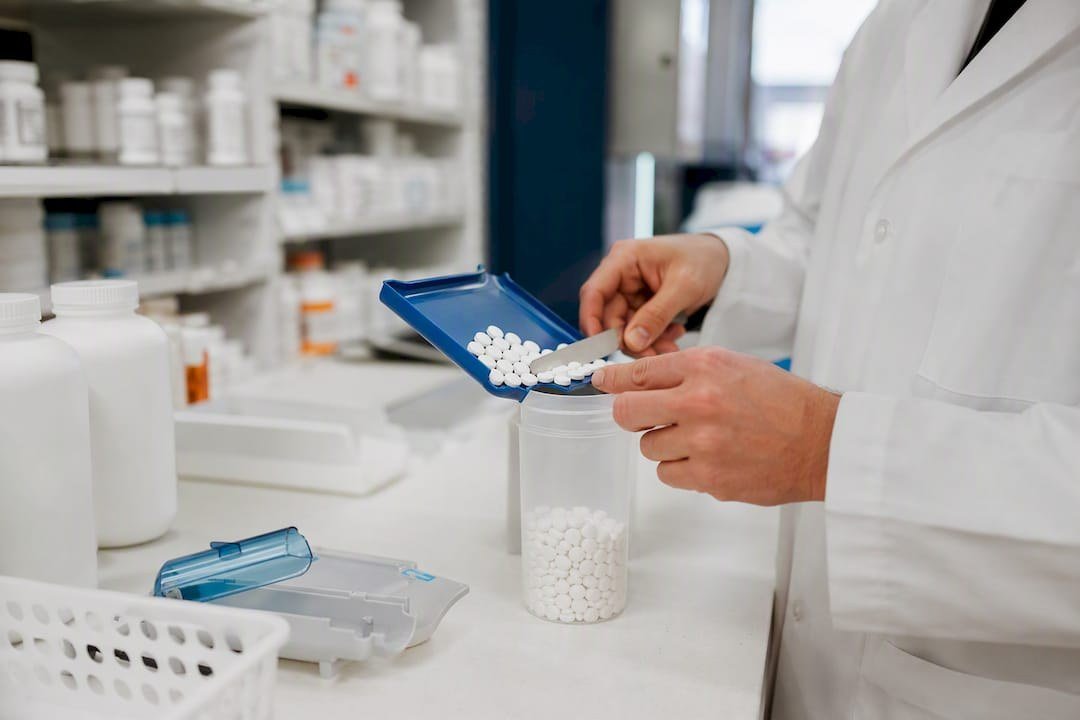
The weight-loss drug war is moving from the needle to the pill bottle. Teva Pharmaceutical is developing a fast-acting therapy that could serve as an alternative to Eli Lilly's blockbuster obesity injection Zepbound, the company's chief scientific officer told Bloomberg in an interview published Tuesday, October 20.
The strategic logic is plain: the GLP-1 era's defining products are injections, and every major drugmaker believes a meaningful share of patients — and of the market — will switch to a tablet if efficacy holds. Teva, long known as a generics giant, is using the moment to argue it belongs in the innovative-drug conversation too.
The company had a second headline the same day: its experimental respiratory drug TEV-00007 achieved its primary endpoint in a mid-stage trial. Teva's U.S.-listed shares rose in early trading as investors weighed a pipeline story that stretches from obesity to respiratory biologics.
Caution applies in both cases: a therapy in development is years and several trial phases from any pharmacy shelf, and Zepbound's head start is measured in billions of dollars of entrenched sales. But the direction of travel in metabolic medicine is unmistakable — the clinic of the near future treats obesity with prescriptions you swallow, and Teva wants a seat at that table.


